

Understanding the rules for storing flammable liquids and chemicals
If your site stores flammable liquids, solvents or hazardous chemicals in bulk, several regulations and standards govern how the tanks and tank farm are designed, laid out, protected and operated. This page gives a plain-English overview of the main UK requirements and the international standards you may come across.
Ai Process designs compliant tank farms and assesses existing storage against these requirements. If you are planning new storage or want to check an existing installation, we can help.
The main regulations and guidance for tank storage in the UK:
- HSG176: HSE guidance on the storage of flammable liquids in tanks
- DSEAR: the Dangerous Substances and Explosive Atmospheres Regulations 2002, which put the ATEX 137 directive into UK law
- ATEX zoning: classification of the areas where an explosive atmosphere may occur
- Secondary containment: bunding to contain leaks and spills, with specific oil storage regulations for oil tanks
- COMAH: the Control of Major Accident Hazards Regulations 2015, for sites storing dangerous substances above threshold quantities
- Tank design standards: such as EN 14015 for site-built steel tanks and API 2000 for tank venting
HSG176: the storage of flammable liquids in tanks
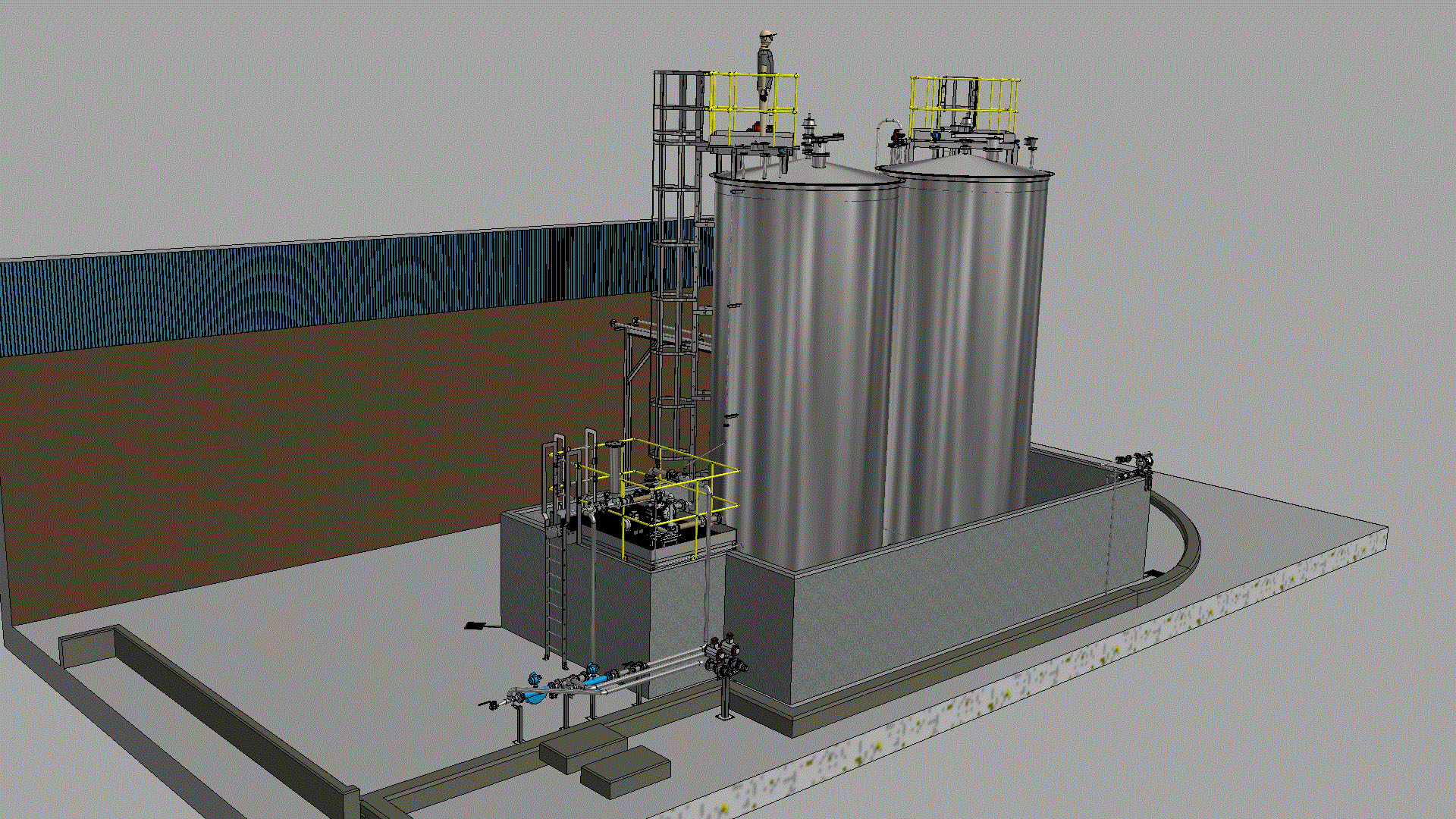
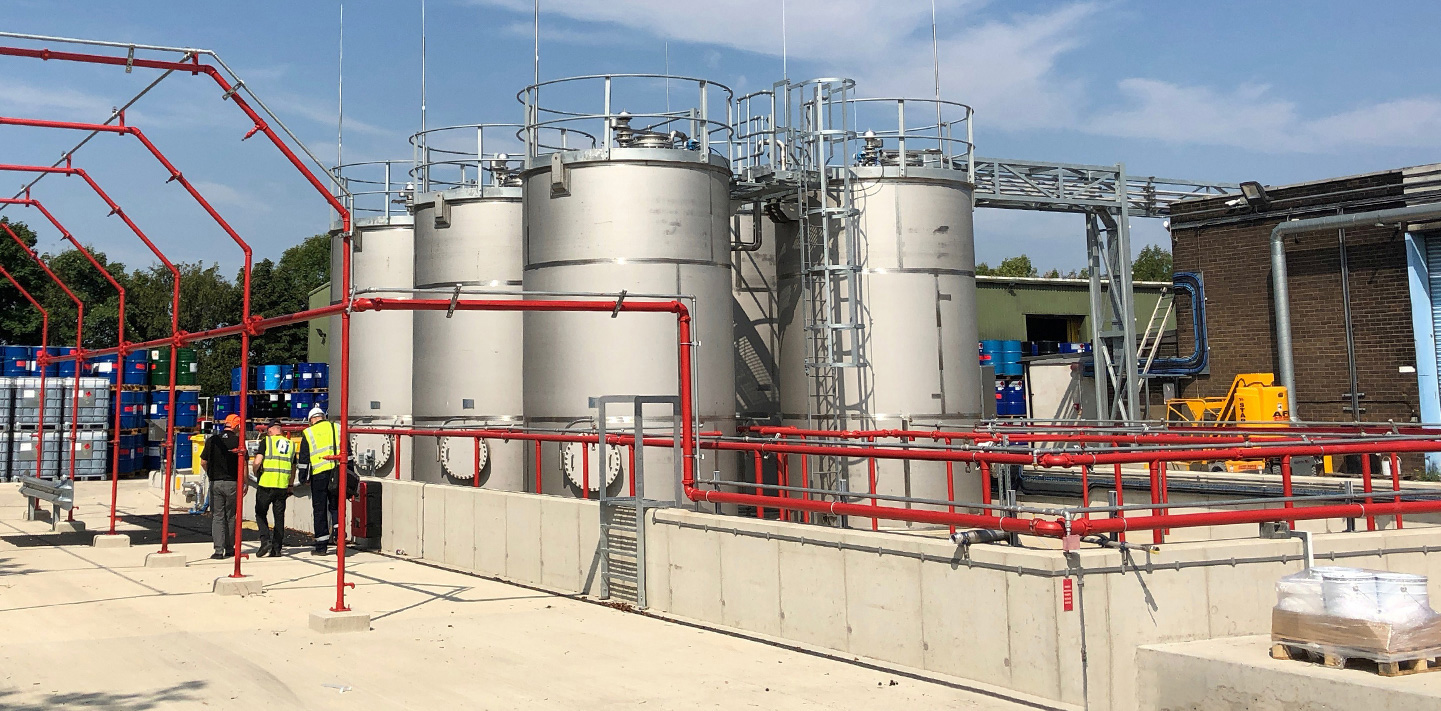
HSG176 (often written HSG 176) is the Health and Safety Executive’s guidance for fixed tanks storing flammable liquids. It covers where tanks should be located, separation distances from buildings, site boundaries and other tanks, the use of fire walls, bunding, venting, fire protection, tanker loading and offloading, and the inspection and maintenance of tanks. Following HSG176 is normally the clearest way to show that the risks from flammable liquid storage are under control.
DSEAR and ATEX zoning
DSEAR requires employers to assess the fire and explosion risks from dangerous substances, remove or reduce those risks, and classify the areas where an explosive atmosphere could occur into zones. For flammable vapours, Zone 0 is where an explosive atmosphere is present continuously or for long periods (inside a solvent tank, for example), Zone 1 is where one is likely in normal operation, and Zone 2 is where one is unlikely and would only last a short time. Equipment in each zone must be suitable for it. DSEAR is how the UK implements the European ATEX 137 workplace directive.
Bunding and secondary containment
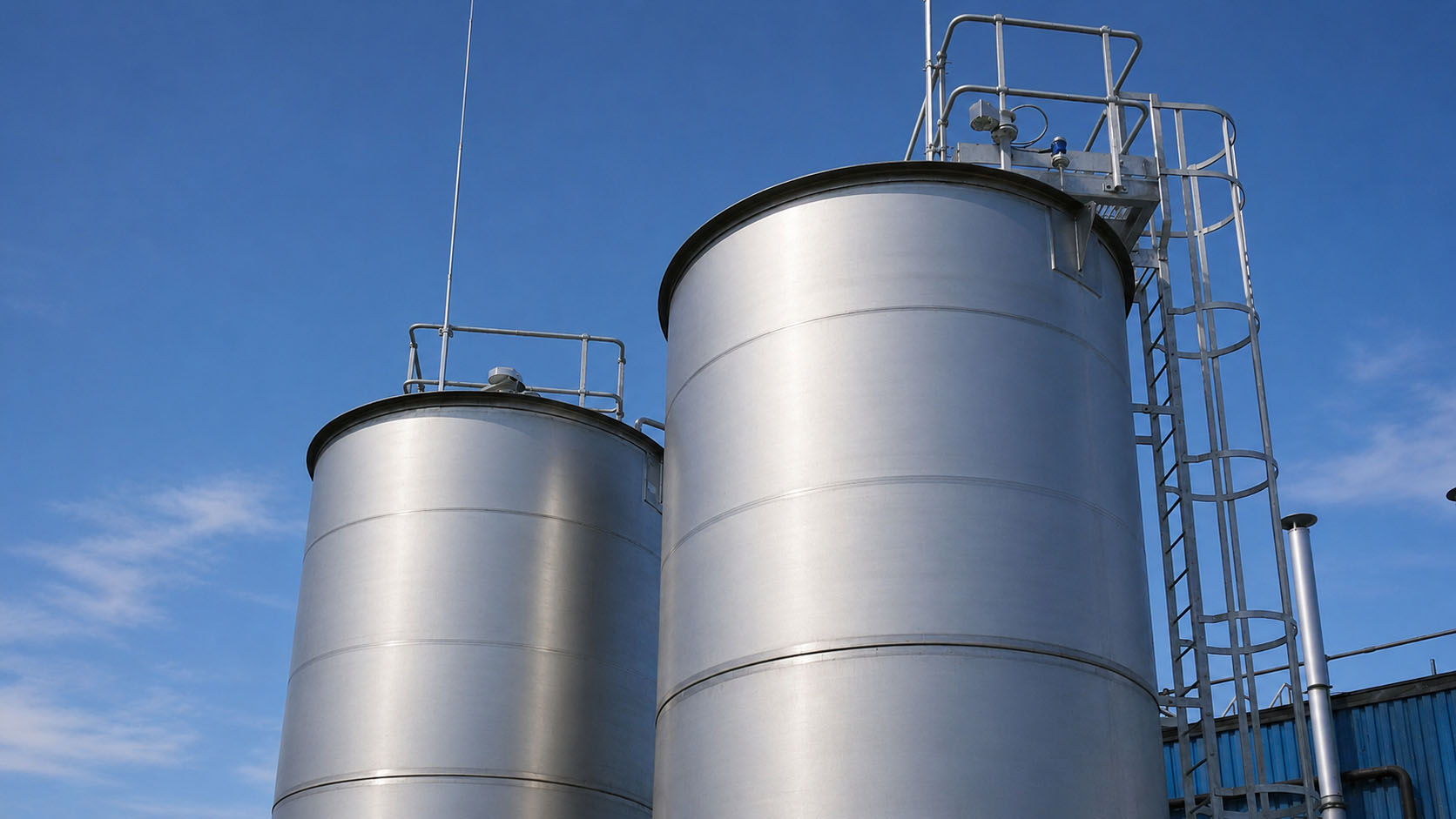
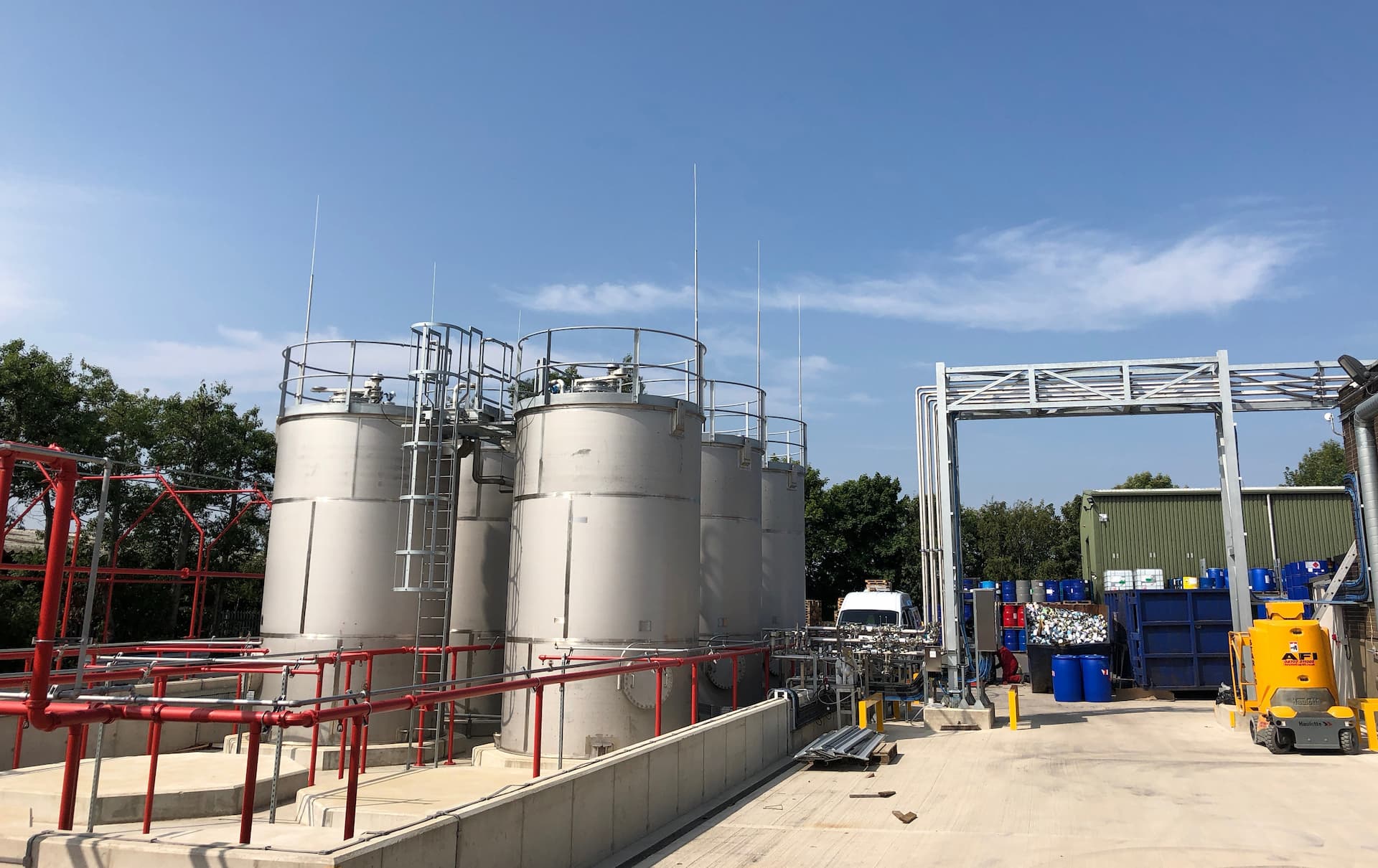
Bulk storage tanks normally sit within a bund, or another form of secondary containment, to hold leaks and spills and keep them out of drains and watercourses. A widely used rule is that a bund should hold at least 110% of the capacity of the largest tank, or 25% of the total capacity stored, whichever is greater. Bunds also need to be impermeable, resistant to the liquids stored and, for flammable liquids, designed with fire in mind.
EN 14015, API 2000 and other standards
Design standards sit alongside the regulations. EN 14015 covers the design and construction of site-built, vertical, cylindrical, above-ground welded steel tanks. API 2000, also published as ISO 28300, covers the venting of atmospheric and low-pressure storage tanks, a key part of flammable liquid storage design. Clients with international sites may also come across US codes such as NFPA 30 for flammable and combustible liquids and UL 142 for steel above-ground tanks. We apply the standards that suit your site and your project.
Related services: Tank farm design and construction | Bulk chemical and liquid storage | Flammable liquid and solvent storage | DSEAR & ATEX compliance
Compliant tank farm case studies

Bostik – New Solvent Tank Farm
Ai Process Design, Construct & Commission New Solvent Tank Farm and Transfer System for Bostik in Stafford, UK


Tor Coatings – Tank Farm
Design, Construct & Commission a New Solvent Tank Farm & Distribution System


VIL Resins – Oils Tank Farm
Ai Process Design, Construct & Commission New Oils Tank Farm and Transfer System for VIL Resins Ltd in Bolton


Alcohols – Solvent Manufacturing Facility
Ai Process Design & Construct State of the Art Solvent Manufacturing Facility for Alcohols Ltd.


Storage regulations questions
For most UK tank farms storing flammable liquids, the main requirements are DSEAR, supported by HSE guidance HSG176, along with environmental rules on secondary containment. Larger sites may also fall under COMAH, and the tanks themselves are designed to standards such as EN 14015. The exact mix depends on the liquids, the quantities and the location.
It is a widely used benchmark for secondary containment: a bund should hold at least 110% of the capacity of the largest tank inside it, or 25% of the total capacity stored, whichever is greater. The extra capacity allows for firefighting water, rainwater and a margin of safety.
ATEX 137 is the European directive on protecting workers from explosive atmospheres. In the UK it is put into law by DSEAR. It sits alongside the ATEX equipment rules, which cover the equipment used in hazardous zones.
Not directly. UK sites are governed by DSEAR, HSG176 and UK environmental rules. NFPA 30 and UL 142 are US codes, but international groups and insurers sometimes specify them, and we can take them into account in the design.
Yes. We review existing tank farms and flammable liquid storage against HSG176, DSEAR and current good practice, carry out DSEAR risk assessments and ATEX zoning, and set out a practical plan for any improvements needed. We can then design and deliver the work.